
Add page numbers to a PDF using a local browser tool like FlowPDF or a desktop PDF editor. Both let you set position, pick a format, choose a start number, and preview before saving. Some local browser tools number your file directly on your device and skip uploads entirely, providing a privacy-first route.
TL;DR:
- Local browser tools like FlowPDF offer the fastest and most private way to add page numbers without uploading files or risking privacy breaches.
- For documents with complex formatting or multiple sections, desktop editors provide advanced control over Roman numerals, section restarts, and even/odd page numbering.
- Always preview multiple pages, including those with dense content, to ensure page numbers do not overlap with text or images before finalizing.
- Start numbering after the document's final page order is set, and reset start numbers or ranges if the sequence requires adjustments.
- Use "Page X of Y" format for formal or client-facing documents, and reserve Roman numerals for front matter only.
Table of Contents
- Browser Tools, Cloud Tools, or Desktop Editors: Which One Fits Your File?
- How to Add Page Numbers to PDF Using FlowPDF
- What to Expect From Other Online Page-Numbering Tools
- Adding Page Numbers From a Desktop Editor or Source Document
- Format, Position, and Start Number: Getting It Right the First Time
- Fixing Common Page-Numbering Problems
- Local Tool or Desktop Editor? My Quick Rule
- Number Your PDF Without Uploading a Single File
- Sources
- FAQ
Browser Tools, Cloud Tools, or Desktop Editors: Which One Fits Your File?
The right method depends on what's in the document and where it needs to go next.
If you're numbering a single contract, resume, or report and don't want your file touching a server, a local-browser tool is the fastest option. Everything happens on your device, and you get your numbered PDF back in seconds.
Cloud-upload tools work fine for convenience, especially if you're already inside a platform that handles other document tasks. Just check how long the service keeps your file before you upload anything with client names, financial details, or signatures on it.
Desktop editors and word processors earn their place when you need advanced numbering: Roman numerals for a preface, section restarts for chapters, or odd/even mirroring for a printed book. That level of control usually isn't available in a quick online tool.
- Local-browser tools: best for speed and privacy on one-off files
- Cloud tools: convenient for multi-step workflows, but check retention policies first
- Desktop editors: best for Roman numerals, section breaks, and complex formatting
Whichever route you pick, finalize your page order first. Reordering or merging pages after numbering forces you to redo the whole job.
How to Add Page Numbers to PDF Using FlowPDF
Here's the fastest way to add page numbers to a PDF without sending it anywhere:
- Open the FlowPDF tool. Go to FlowPDF's page numbering tool and select your file. It loads and processes locally in your browser, so nothing uploads to a server.
- Choose your position. Bottom-center works for most documents. Pick bottom-outer instead if the file will be printed double-sided and bound.
- Pick a format. Use plain numbers for casual documents, or "Page X of Y" for reports, proposals, and anything formal where readers benefit from knowing the total page count.
- Set the start number and range. If you have a cover page or title page, skip it by starting numbering at page 2 or setting a custom range.
- Preview before applying. Check the first page, a middle page, and a page with a dense footer or table, since that's where numbers most often collide with content.
- Apply, download, and confirm. Save the numbered file and verify your original PDF is untouched. These tools typically do not overwrite the source file.
If your document started as several separate files, use FlowPDF's merge tool first, and if you need to drop a blank or duplicate page, run it through FlowPDF's organize tool before you number anything.
Pro Tip: Number last. Assembling the final document first avoids the common problem where adding a page mid-document knocks every number after it out of sequence, forcing you to redo the whole numbering pass.
What to Expect From Other Online Page-Numbering Tools
Most browser and cloud page-numbering tools share the same basic control set, even if the interface looks different from one to the next. Knowing what to look for helps you avoid a botched export.
You'll typically see a position grid (top or bottom, left, center, or right) plus a dropdown for format: plain numbers, "Page X of Y," or Roman numerals for front matter. Start number and page range fields sit nearby, letting you skip a cover page or number only a chapter. Standard controls across most tools also include font size, since a number too large can crowd a footer, and too small can vanish on a scanned page.
Before you commit:
- Confirm the tool has a preview step, not just an "apply" button
- Check at least one page with an image, table, or footer text to catch overlap early
- Look for a privacy or retention notice stating whether files are deleted after processing, and when
- Favor tools that state clearly whether processing happens locally or via upload
If a tool doesn't disclose retention terms anywhere, treat that as a signal to look elsewhere, especially for anything containing personal or financial data.
Adding Page Numbers From a Desktop Editor or Source Document
Desktop PDF editors and word processors both handle page numbering, but the right one depends on what you're building.
In a PDF editor, look for a Header & Footer or Number Pages feature. The standard workflow is: open the editor, choose that feature, set position and format, apply, then save a copy. Many editors also let you set page labels, which control odd/even placement and section-based restarts, like switching from Roman numerals in a preface to Arabic numerals starting at Chapter 1.
If your document originates in Word or Pages, set page numbering there before exporting to PDF. It's far easier to configure section breaks and restart points in the source file than to fix them after conversion.
- Use Header & Footer or Page Labels for odd/even and sectioned numbering
- Set numbering in Word or Pages before exporting, not after
- Confirm the exported PDF's numbering matches what appears in the viewer's page navigator, per W3C's PDF17 guidance
Format, Position, and Start Number: Getting It Right the First Time
Small formatting choices separate a professional-looking PDF from one that looks rushed.
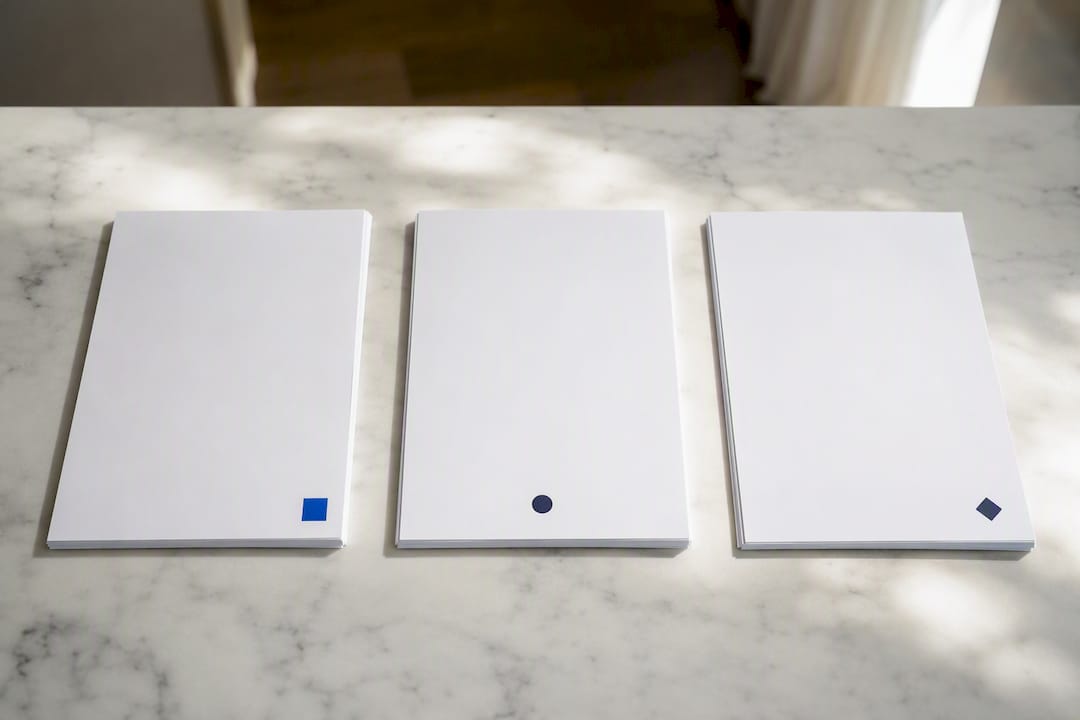
Plain numbers work for internal memos and drafts. "Page X of Y" suits contracts, reports, and proposals, since it tells the reader upfront how much material they're working through. Roman numerals belong on front matter only, prefaces, tables of contents, before switching to Arabic numerals at Chapter 1 or Page 1 of the main body.
For position, bottom-center is the safe default for single-sided documents. Bottom-outer, meaning right-aligned on odd pages and left-aligned on even pages, keeps numbers visible after binding on double-sided printed documents.
- Use "Page X of Y" for anything formal or client-facing
- Reserve Roman numerals strictly for front matter
- Choose bottom-outer only for double-sided, bound printing
- Always number last, after your document's final page order is locked
Best-practice guidance consistently points to one habit above all others: preview the first, middle, and last pages before you finalize anything. A number that fits cleanly on page 1 can clip against a table or footer by page 40, and you won't catch that without checking more than the cover.
Fixing Common Page-Numbering Problems
Most numbering issues trace back to one of three causes, and each has a quick fix.
If numbers overlap text or images, switch position, or increase the margin setting if your tool offers one. Tables and dense footers are the usual culprits, so check those pages specifically rather than just the first and last.
If the start number is wrong, whether it began at 1 when you wanted it to start at 2 after a cover page, reopen the numbering controls and reset the start value and range. Don't try to patch this after downloading; redo the pass with corrected settings.
If your PDF viewer shows a different page number than what's printed on the page, the file needs proper PDF page labels so the viewer's navigation matches the printed sequence, particularly important for documents mixing Roman numeral front matter with Arabic body numbering.
- Overlapping numbers: change position or widen margins
- Wrong start number: reset start value and range, don't patch after export
- Viewer mismatch: apply PDF page labels so navigation aligns with print numbering
- Confidential files: prefer local processing over cloud upload, and check any retention policy before uploading
Local Tool or Desktop Editor? My Quick Rule
For a fast, private, single-file job, I reach for a local browser tool every time. For sectioned numbering, legal filings, or formal submissions with strict formatting rules, a desktop editor's extra control is worth the added steps.
— Ronald Ang
Number Your PDF Without Uploading a Single File
Some tools handle page numbering entirely inside your browser, with nothing sent to a server, no subscription, and no watermark stamped across your document. That matters most when the file in question is a contract, a resume with your address on it, or a report you're not ready to hand to a third-party server before you've even finished formatting it.
Start with FlowPDF's page numbering tool to set position, format, and start number in one pass. If your document needs cleanup first, drop pages you don't need with the remove pages tool, fix orientation with the rotate tool, or combine multiple files with the merge tool before you number anything. Preview your result, confirm it looks right, and download. No account, no watermark, and no copy of your file left sitting on someone else's server.
Sources
- PDF17: Specifying consistent page numbering for PDF documents | WAI | W3C
- PDF24 help
- Adding Page Numbers to PDFs - Hostos Social Network - CUNY
FAQ
How Can I Add Page Numbers to a PDF?
Open a local browser tool like FlowPDF or a desktop PDF editor, choose your file, set position and format, pick a start number, preview, then save. The whole process takes under two minutes for most documents.
How Can I Add Page Numbers to a PDF Online?
Upload or select your file in an online numbering tool, choose position (typically bottom-center), select a format like plain numbers or "Page X of Y," set the start value, preview a few pages, then download. FlowPDF does this without ever uploading your file to a server, since processing happens locally in your browser.
How Do I Set Up Automatic Page Numbering?
Most PDF tools and editors number pages automatically once you apply the setting. It calculates sequential numbers across the whole document, or a chosen range, without you typing each number by hand.
How Do I Fit Two Pages on One PDF Page?
That's a separate layout feature, usually called "multiple pages per sheet" or "N-up printing," found in your PDF editor's print or export settings rather than in a page numbering tool. It's unrelated to numbering and is typically set at print time.
Why Do My Page Numbers Overlap the Content?
This usually happens when the position is too close to existing footer text, a table, or an image near the page edge. Switch the number's position or increase the margin, then preview the affected page again before finalizing.